
12. Why are Balanda so frightened of this virus?
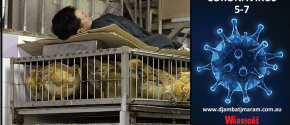
This program focuses on the European history of disease: how the Black Death plagues in Europe 700 years ago killed between 75 and 200 million people. People were so frightened then because they weren’t sure what was causing the disease and deaths. Europeans thought it was sorcery, or some sort of spiritual event.
Some Yolŋu people think the same about coronavirus – they are really confused, and don’t understand what a virus actually is. So they blame other people for performing sorcery to make it happen. This kind of European history is needed for Yolŋu people to be on the same page as mainstream Australians.
13. Ring a ring a Rosie
This program looks at the meaning behind the children’s song ‘Ring a ring a Rosie.’
When Yolŋu elders pass away their relatives have a particular songline they sing to remind them of the event. Similarly, ‘Ring a ring a Rosie’ is a European songline that comes from the 700-year-old plagues of Europe. It was taught to Yolŋu children in the Mission days and is often still taught today. However the meaning of it is rarely explained.
The program discusses the cultural habit of men wearing a flower in the top buttonhole of their coats. This is a custom that began in the days of the plague, as it was believed the smell of the flower would overcome others less desirable smells and hopefully stop them getting the “Black Death.”
14. Old Balanda culture – from villages to cities
This program looks at what happened when Balanda (mainstream people) left their villages/estates and started moving into big cities. In the transition, Balanda changed many cultural things. For example, on their homeland estates they had plenty of land for toilet-ing and small lakes and streams to bathe in.
However when they moved into the city they built houses very close together, like they were still living on their estates, even though other things changed. The program discusses how Balanda used to throw the contents of their chamber pots out onto the street, and that many Balanda now only bathed once a year.
This is a similar history as Yolŋu now experience. When they lived on their homeland estates, Yolŋu would walk off into the bush privately to go to the toilet. They would also swim in the rivers and billabongs across their estate on a daily basis.
However, when they moved into the missions, and now the central communities, things like toilets and places to wash are often in short supply. Again this history is important for Yolŋu people to understand why mainstream Western society places high values on certain cultural activities around hygiene.
15. The discovery of germs
This program talks about how germs were first discovered. And that it took a long time after the discovery of germs for Balanda (mainstream people) to believe they were connected to the disease and sickness they were experiencing.
Click here for the full Covid:19 playlist
Other education programs in Yolŋu Matha are available on the Why Warriors YouTube channel or via the Yolŋu Matha learning platform, www.djambatjmarram.com.
These COVID-19 resources are produced by Rev Dr Djiniyini Gondarra, Richard Trudgen and Dr Kerry Mills. Thank-you to © Helix Animation 2020 for the animations provided. All rights reserved.

RICHARD Trudgen •
Yes, this is what our general knowledge and research over thirty years tells us.
Dominic Baptist Ngbangu •
I just want to know if this history is true, because I’m Balanda from South Sudan