
The AHED Project – supporting Indigenous visionaries

The AHED Project


2023 update: The Arnhem Human Enterprise Development (AHED) Project is no longer running due to a lack of financial support. It went on to run other projects, like Hope For Health which also struggles to get good support despite its great success.

However, Why Warriors is now running projects in partnership with Yolngu family units built on what we learned for the AHED project. We will have more to share about this in the future.   We have left the AHED story below for your interest.   April 2030 Richard Trudgen


Jul 14, 2014 

The Arnhem Human Enterprise Development (AHED) Project is the not-for-profit arm of Why Warriors, working on the ground in the Galiwin’ku community, Elcho Island.

It is a project in responsive community development, where our team of facilitators live and work in the community as a long-term presence, learning language and valuing local cultural knowledge. Facilitators are available to Yolŋu people who want support to make their visions and ideas for their community a reality, walking with them step by step to overcome any barriers.

Our methodology aims to ensure that Yolŋu visionaries remain at the centre of their enterprises so that Yolŋu people can regain control over their own lives and communities as they initiate, develop and control their own visions.

Watch our short video which gives a snapshot of the project and of the context in Galiwin’ku.

The AHED Project relies on donations to be able to provide this service to Yolŋu people. You can donate to the AHED Project at http://donate.whywarriors.com.au

For more information on the AHED Project, see http://ahed.whywarriors.com.au

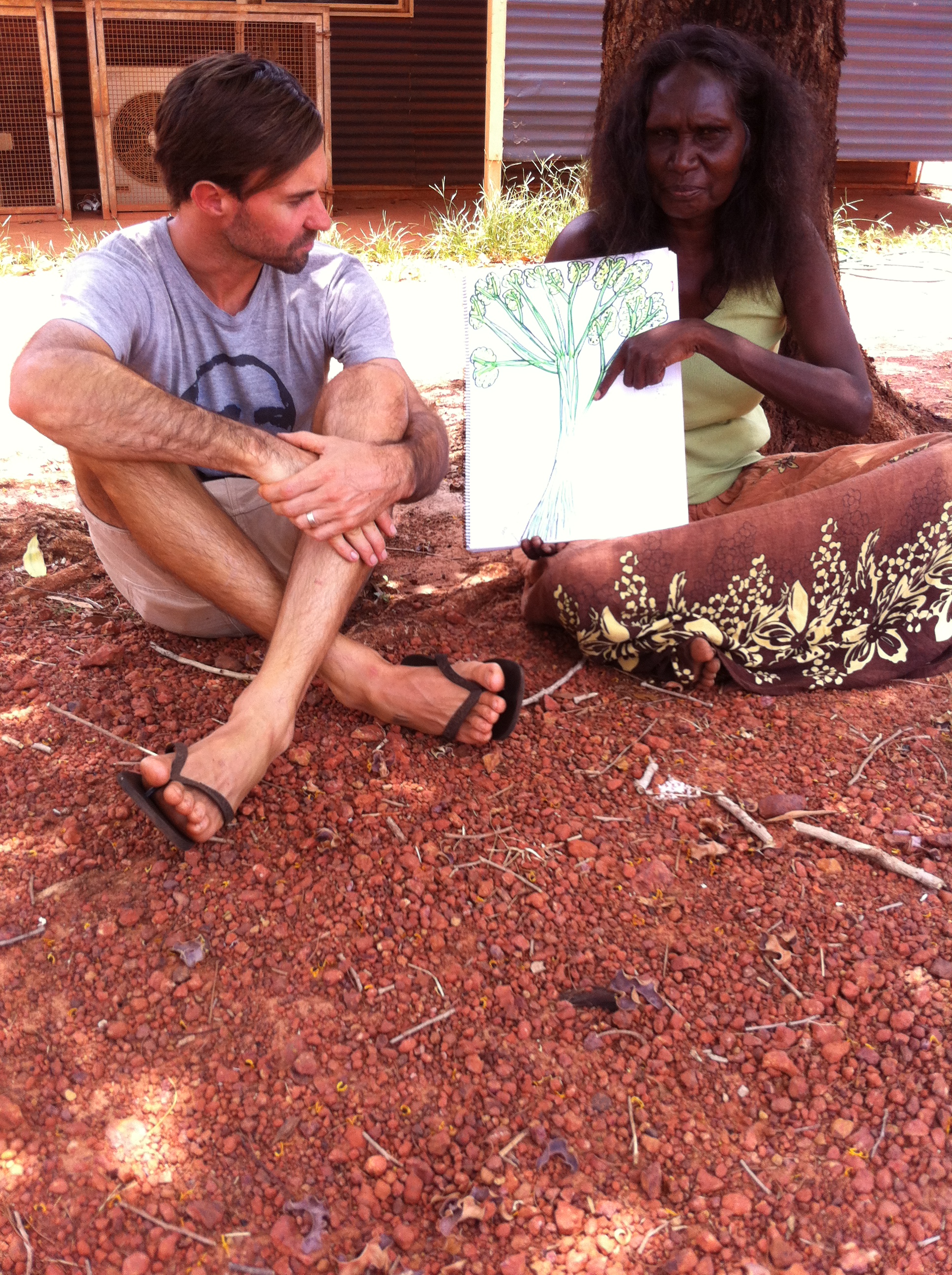
The picture below: One of the AHED staff talking with a Yolngu staff member of Yalu after the AHED team listened to the Yolngu elders and helped them set it up. Many good things came out of this project.

IMG_4004


About Richard Trudgen

Richard Trudgen was born on Wiradjuri country. His conception Spirit Well site was near the top of Gaanha-bula (two shoulders) on Mount Canobolas, close to the city of Orange in NSW. Grew up along the Belubula River (stony river or big lagoon), near the small town of Canowindra (home or camping place), a key Wiradjuri traditional homeland. In his late teens, he was a lead guitarist in a rock band with two of his brothers and two friends called the South Side Five. He trained as a fitter and turner in a farm machinery workshop. Arriving in Arnhem Land in 1973 to volunteer for 12 months. He was compelled to learn Yolngu Matha and remained to work alongside some of the most traditional First Nation Australians, the Yolngu People. Having learn their language, he stayed, trained as a community worker-educator, and now he speaks Djambarrpuyŋu to a deep legal, economic, and medical level. He still works full-time with Yolngu people in his mid-seventies. Was the CEO of Aboriginal Resource and Development Services (ARDS) for 10 years, during which he developed the Discovery Education methodology with Rev Dr Djiniyini Gondarra OAM and also established Yolŋu Radio in 2003. The Yolngu elders asked him to write "Why Warriors Lie Down and Die" and to train mainstream Balanda people to understand Yolngu law and culture. So, he ran ‘Bridging the Gap’ seminars and corporate workshops across Australia, focusing on cultural competency and cross-cultural communication. He is currently the CEO of Why Warriors Pty Ltd, a community development social enterprise working with Yolngu people. He spends his days writing, producing podcasts, building an online learning centre for Yolngu (djambatjmarram.com), creating videos, developing online cross-cultural training materials, running workshops for Yolngu and Balanda, and working with Yolngu to develop their own family businesses.

2 Comments

You must be logged in to post a comment.

  1. nadja

    I had a problem with the sound on this video. Its not playing at the right speed. Thanks.

  2. Getting Yolŋu Into Business

    […] more information about the AHED Project, watch our short introductory video clip or see the AHED […]